Kristen Harper

Tips for Young Children Learning Addition

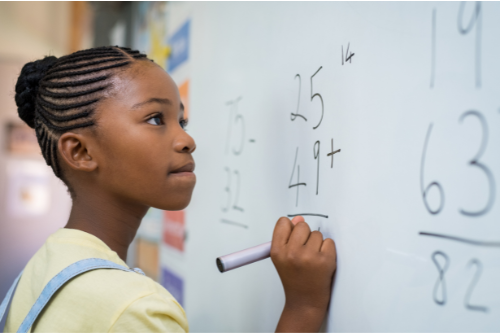
  • Skip Counting:

Instead of counting by ones, try skip counting by twos, threes, fives, or tens. This not only reinforces multiplication skills, but also adds variety to counting.

  • Counting Objects:

Use everyday objects like toys, fruits, or candies to practice counting. This makes the process more tangible and relatable for young learners.

  • Counting with Songs:

Use counting songs or rhymes. There are many educational songs that teach counting in a catchy and memorable way.

  • Number Hunts:

Create scavenger hunts where kids have to find a certain number of items in the house or classroom. This encourages observational skills along with counting.

  • Number Puzzles:

Use puzzles that involve arranging numbers in order. This can be done with physical puzzles or digital ones on educational apps.

  • Number Flashcards:

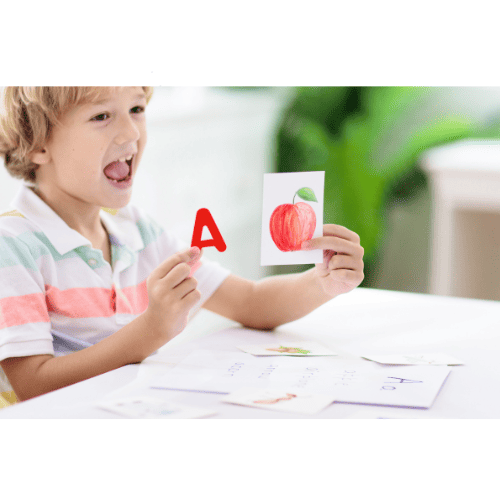
Create or use number flashcards for quick drills or matching games.

  • Number Line Games:

Utilize a number line for counting activities. You can ask questions like “What comes after/before a certain number?” or play hopscotch on a number line.

  • Digital Apps and Games:

There are numerous educational apps and online games that make counting interactive and entertaining. Look for apps that align with your child’s age and learning level.

Kristen HarperTips for Young Children Learning Addition
read more

Student Success!

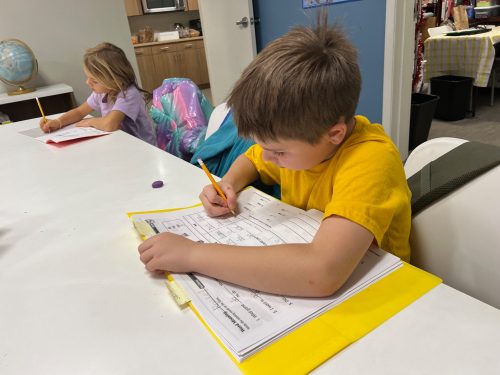
“I started on Kindergarten math and in maybe a year and a half, I’ve gotten through Kindergarten and 1st grade math and now I’m almost done with 2nd grade math. I’m on 2nd grade, Unit 6. I only have 14 more math books to go! I have a goal to get to 4th grade by when the next school year starts. I’m in 3rd grade phonics now but I’ve got to make it through the rest of the program by May.” – R. (3rd grade student)

Kristen HarperStudent Success!
read more

The Link Between Nutrition and Education

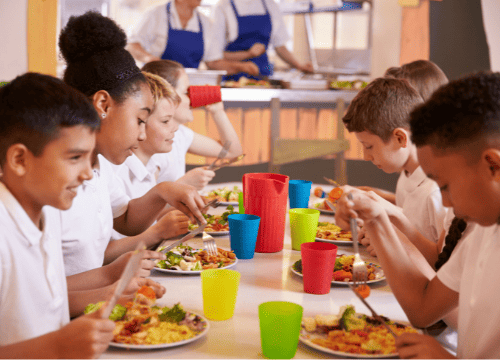
A crucial aspect that often goes overlooked in the quest for academic excellence is nutrition. Nutrition plays a pivotal role in shaping your child’s cognitive development, concentration, and overall ability to learn. Nutrients such as vitamins, minerals, proteins, fats, and carbohydrates are essential for brain development and maintenance.

Inadequate nutrition can lead to cognitive impairments, reduced attention spans, and difficulty in processing information—all of which can hamper a student’s ability to learn effectively.

Nutrients like omega-3 fatty acids, found in foods like fish, nuts, and seeds, are essential for building and maintaining brain cell membranes. Additionally, choline, present in eggs and leafy greens, is crucial for memory and cognitive function.

Balanced blood sugar levels are essential for maintaining focus and concentration. Consuming complex carbohydrates, such as whole grains and fruits, provides a steady supply of glucose to the brain, preventing energy crashes and the inability to concentrate. Nutrition also has a profound impact on mood and behavior. A diet rich in fruits, vegetables, and lean proteins can contribute to better emotional regulation and overall well-being.

One of the most crucial aspects of nutrition in education is breakfast. Often referred to as the most important meal of the day, a breakfast with a balance of carbohydrates, protein, and healthy fats provides the brain with the energy it needs to kick-start your child’s day. 

Kristen HarperThe Link Between Nutrition and Education
read more

Tornado in a Bottle Science Experiment For Younger Kids

  1. Fill your bottle about ¾ full with clean water.
  2. Add a small squirt of dish soap to your water.
  3. Add food coloring or glitter for a more vibrant effect (optional).
  4. Tightly seal your bottle.
  5. After all of these steps are finished, rapidly spin your bottle in circular motion until you see a tiny spinning tornado!
Kristen HarperTornado in a Bottle Science Experiment For Younger Kids
read more

Ways to Help Your Child with Spelling

  1. Drill daily: Make sure your child is keeping in the work to improve and progressively getting better day by day as he trains to become a better speller.
  2. Encourage spelling: Always acknowledge good work and remind him to keep it up. If he ever loses confidence, be willing to work with him and make learning more enjoyable.
  3. Make spelling fun: Incorporate games in the activities. Learning to spell will be much more fun when your child is able to look forward to games that will help with his progress.
  4. Let your child move at his own pace: Never rush him to learn anything that he’s not getting. Every child has his own gradient. Allow him to process what he is learning at his own pace. It is also important to recognize his progress. Don’t keep him on a spelling level that he has already spent enough time drilling. Acknowledge his progress and allow him to move on once he’s ready.
Kristen HarperWays to Help Your Child with Spelling
read more

Study Skills for Life Success – from two brothers

“When I was doing the Study Skills course, when I finished, I felt amazing. I was able to know everything about the three barriers. Now, studying will be easier than ever and my teacher (CLC tutor) is the best! I would know that I don’t know sometimes but now, I do and I know how to fix it.” – O. (7th grade)

“I learned the three barriers to study, and I also learned how to look up a word. This helps me learn and focus better. This can help me become a smart pilot and fly over the world. This all came from my tutor.” – Z. (5th grade student)

Kristen HarperStudy Skills for Life Success – from two brothers
read more