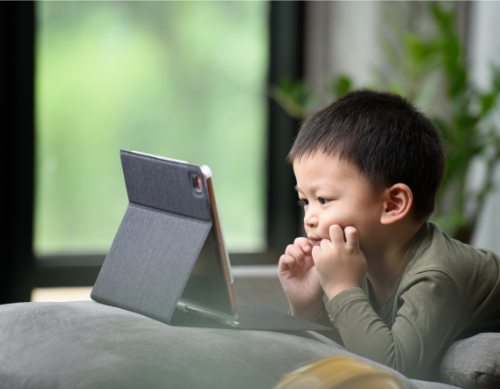
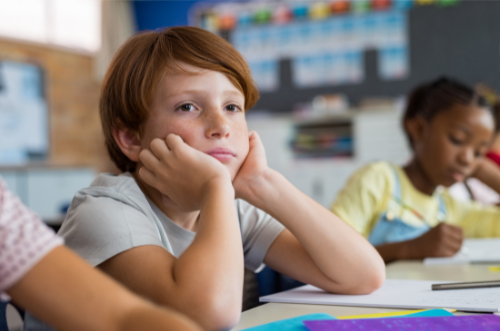
Excessive screen time has been proven to interfere with cognitive ability and brain development. It has also been linked to increased levels of anxiety and negative affects on social skills and attention span. Screens should particularly be turned off when it gets closer to bedtime, as too much exposure to blue light from screens has been known to disrupt sleep patterns. We encourage that you give your child a very limited amount of screen time in general but especially during school nights. Help your child monitor their screen time and inspire them to engage in more time spent on hobbies, outside events, and creative activities. It’s very important that they’re able to function well at school and don’t always need to rely on screens to entertain them.
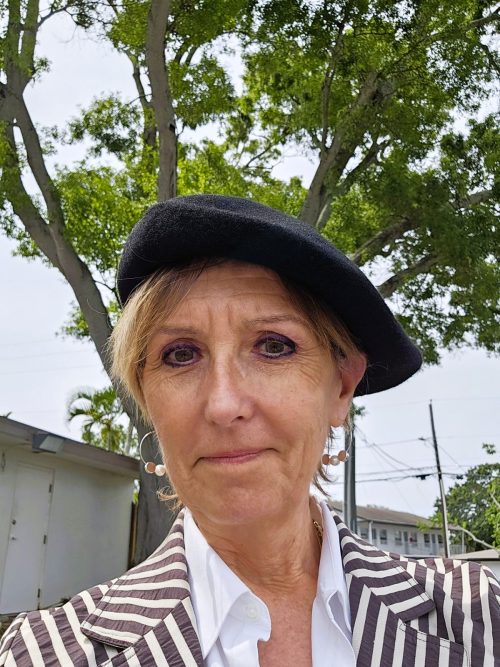
Kristen Harper
Meet our new Director of Tutoring, Lea Gilbertson!
“Hi, I’m Lea, and I was born in Italy. My educational journey began in
high school, where I trained to become an elementary school teacher. I
later attended university and graduated with a degree in Italian
language and literature. After teaching high school for 14 years, I
moved to the US, where I continued my career in tutoring and teaching at
various private language schools, working with students ranging in age
from 7 to 90 years old.
Currently, I serve as the Tutoring Director at the Community Learning
Center, where I oversee all tutoring activities for both students and
tutors.”
We are very excited to have Lea join the CLC family!
Fun and Fast Science Experiment for Young Kids
For this experiment, you’ll need water, a dry erase marker, and a ceramic bowl or plate.
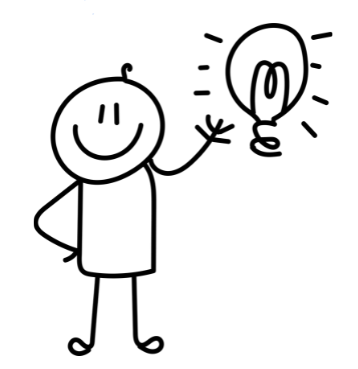
- You start by drawing a simple character on the surface of your bowl. A stickman is a good place to start.
- Slowly pour a small amount of water onto the drawing and watch as your stickman begins to lift up off the bottom. As this happens, it will start to move on the surface of the water on its own.
- You can then use a toothpick to swirl the water around and make your stickman move and dance!
This experiment works as a great way to show density because of the ink’s insolubility to water and its low density that allows it to float.
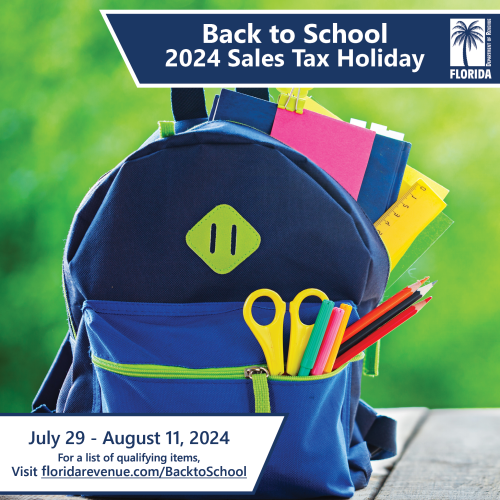
Tax-Free Back to School Shopping Soon!
Making Cursive Fun
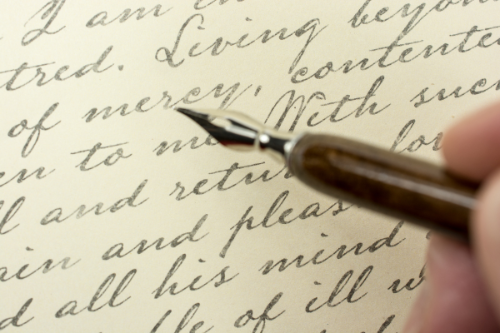
Printing out worksheets with dotted cursive letters or words for your child to trace over is a perfect way to start practicing. This helps them get used to the flow and formation of cursive letters. You can provide themed writing prompts like favorite places or animals and have your child write about them in cursive. Encouraging creative writing while practicing cursive handwriting can make it a lot more fun. Another great way to make cursive more fun is using it in artwork like painting. Once your child gets used to the flow of the letters, they’ll be able to smoothly write cursive in no time.
Tips For Writing a Good Research Paper
Clarify the purpose of your essay. Begin your report with an introduction that provides background information on the topic and outlines the main points that you will cover. Make sure you explain why you personally chose to write about your subject. Do your own research and credit the sources that you get the information from. Collect relevant data and statistics from credible sources to support your findings. Incorporate visuals such as charts or images to help illustrate key points. Review your final report for accuracy. Check for punctuation errors, grammar, and spelling.
Tips for Writing Your Own Story
Plan out the main events and structure of your story. Decide on how the beginning, middle, and end will work together. You should also consider any major plot twists or turning points. An outline can help keep your story organized and focused as you write. Describe the setting and atmosphere of your story in vivid detail to make the world come alive for your readers. Instead of simply telling them what’s happening, you can show it through scenes of actions and dialogue. Remember that writing is a process and can take time. Keep experimenting with new ideas.
Fun Homemade Lava Lamp Experiment For Kids
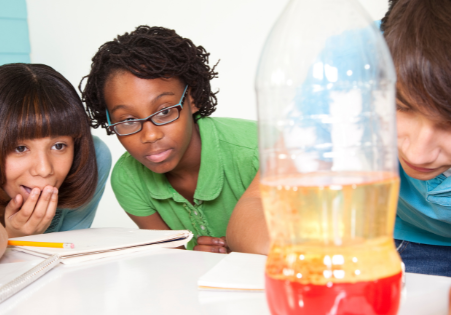
The first thing you need is a clear jar or plastic bottle. Fill the bottle halfway with vegetable oil and add water to the top until it is almost full. After this is done, add at least five drops of food coloring. You will the need to take an Alka-Seltzer tablet and break it up into several pieces. The final step is to drop each piece in one at a time and watch as bubbles begin to form, activating your lava lamp.
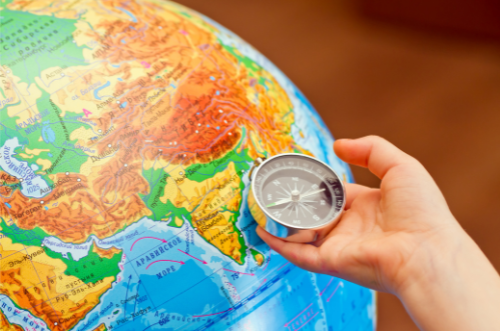
Fun Games To Practice Geography
1. Provide puzzles of different countries and challenge kids to assemble the puzzle pieces correctly to complete the map. This is a great way to improve their map-reading skills.
2. Call out the name of a place, and have the kids race to find it on the map or globe as quickly as possible. The first one to find it gets a point, and the player with the most points at the end wins.
3. Create bingo cards with names of countries, cities, and landmarks instead of numbers. Give clues about the places before calling the answer. Have the kids mark off the corresponding places on their bingo cards. The first to get a line or a full card wins.
Three Fun Addition Games For New Learners
Memory: Create pairs of cards with addition problems and their solutions. Place the cards face down and take turns flipping over two cards at a time to find matches. If a player correctly matches an addition problem with its solution, they keep the pair. The player with the most matches at the end is the winner.
Bowling: Set up a bowling game using plastic bottles or cups as pins and a soft ball as the bowling ball. Write different numbers on the pins. Take turns rolling the ball to knock down the pins. Add up the numbers on the pins to keep track of your score.
Dice: Use dice to practice addition. Roll two dice and have your child count the total number of dots on both dice. Turn this into a game where you create a board with spaces. The number that you role is how many spaces you move your piece. Whoever makes it to the end wins.
Recent Comments